Google Is About to Replace the Chromebook — Everything We Know About the Googlebook
Google's premium Android-powered laptop platform is taking aim at the MacBook Air
Google is about to do something it has never done in the laptop market: compete at the top. The Googlebook — the company's long-rumored successor to the Chromebook — merges Android and ChromeOS into a single operating system, puts Gemini at the center of the experience, and arrives this fall on premium hardware from Acer, Asus, Dell, HP, and Lenovo. With a debut expected at IFA Berlin in early September, here's everything we know, and what it means if you've been waiting to buy a laptop.
The short version
The Googlebook is a new laptop standard built on a unified operating system that combines Android and ChromeOS — a project Google developed under the codename "Aluminium OS." Rather than building the hardware itself, Google has lined up five of the biggest PC makers to ship Googlebooks, the same playbook that made Chromebooks ubiquitous in classrooms. The difference this time is the target: these machines start above $999, which puts them head-to-head with the MacBook Air and premium Windows ultrabooks, not the $250 school laptops Chromebooks became known for.
How we got here: the long road to one Google OS
Google has been telegraphing this move for over a year. In July 2025, Android chief Sameer Samat confirmed that Google was "combining ChromeOS and Android into a single platform." Two months later, Google hardware boss Rick Osterloh appeared on stage with Qualcomm CEO Cristiano Amon at the Snapdragon Summit to tease the project, pointing to a 2026 launch. The official unveiling came in May 2026 at "The Android Show: I/O Edition," the livestreamed pre-show to Google I/O, where the Googlebook was announced alongside Android 17.
The logic is hard to argue with. ChromeOS gave Google a real foothold in laptops but hit a ceiling: it was seen as a budget platform, app support was a patchwork of web apps and awkwardly ported Android software, and developers never fully committed to it. Android, meanwhile, has one of the largest app ecosystems on the planet and now powers everything from phones to foldables to XR headsets. Folding ChromeOS into Android gives every Googlebook that entire ecosystem on day one — and gives developers a single target instead of two.
One detail worth noting: "Aluminium OS" was strictly a development codename, and Google has not yet said what the shipping operating system will be called. Don't be surprised if the final branding leans on the Googlebook name itself, the way "Chromebook" and "ChromeOS" blurred together.
Gemini everywhere — and a light bar to prove it
What separates a Googlebook from a Chromebook running Android apps? According to Google, the answer is Gemini, integrated at the system level rather than bolted on as a chatbot in a browser tab. Four headline features have emerged so far.
Magic Pointer turns the humble cursor into an AI instrument. Point at anything on screen — an image, a paragraph, a chart — and Gemini can read it, explain it, or act on it. Think of it as Circle to Search graduating from phones to a mouse-first interface.
Create My Widget generates custom desktop widgets on request. Describe what you want — a tracker for your favorite team, a dashboard for a stock, a countdown for a launch — and Gemini builds the widget for you, no app required.
Cast My Apps streams apps from your Android phone directly onto the laptop, so the phone in your pocket effectively extends the machine on your desk. Combined with Quick Access, which lets you browse files across your devices seamlessly, the pitch is a continuity story Windows has never quite delivered and Apple reserves for people fully inside its ecosystem.
And then there's the Glowbar — an LED strip on the lid that lights up when Gemini is working. It's part status indicator, part marketing: every Googlebook in a coffee shop becomes a small billboard announcing that the AI is doing something. Gimmick or not, it signals how central Gemini is to this product's identity. These machines aren't laptops with an assistant installed; they're being positioned as vehicles for Gemini.

The hardware: five makers, three chip vendors
Leaks have already sketched out the first wave of hardware, and it does not look like Chromebook hardware.
Dell's entry reportedly runs Qualcomm's Snapdragon X Elite with a 13.4-inch OLED display and 16 to 32GB of RAM — an ARM flagship in the mold of the best Copilot+ PCs. Acer is said to be preparing a 14-inch OLED at 120Hz on Intel's next-generation Panther Lake silicon, while Asus is also going Panther Lake with configurations up to 64GB of RAM. Lenovo appears to be fielding the broadest lineup: 13/14-inch and 15-inch clamshells plus a 2-in-1 convertible. HP is confirmed as a launch partner but, curiously, is the only one of the five yet to have a device leak — worth watching, since HP has historically built some of the best premium Chromebooks.
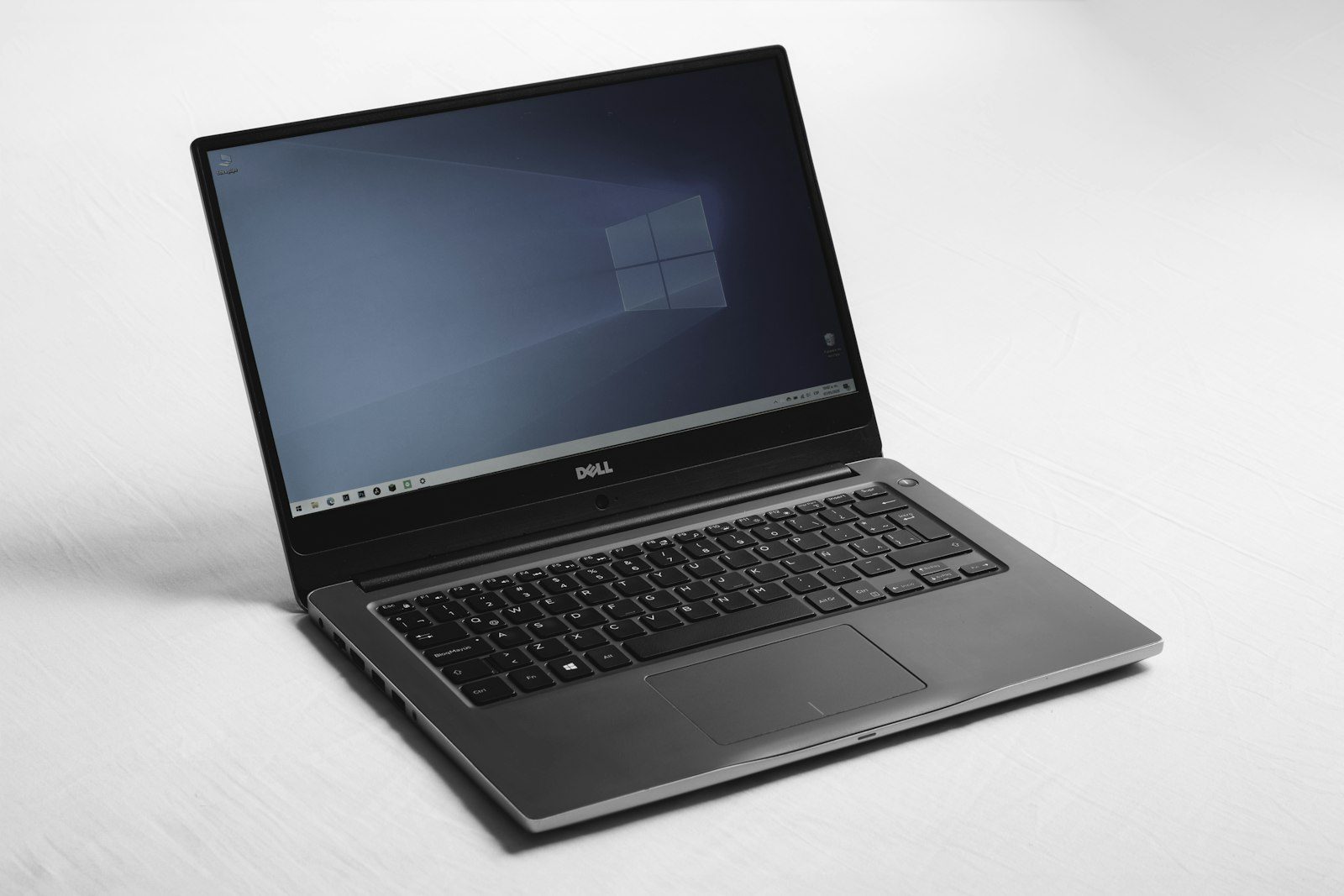
Across the board that means OLED panels, high refresh rates, serious memory configurations, and processors from Intel, Qualcomm, and MediaTek. The chip diversity matters: an Android-based OS is native to ARM in a way Windows still isn't, which could make the Snapdragon models the ones to watch for battery life.
What happens to Chromebooks?
Google says the Chromebook isn't dying — senior director Alexander Kuscher has been explicit that Googlebooks will occupy "the more premium end of the laptop market" while the budget Chromebook line continues to receive support. Schools and businesses running fleets of Chromebooks shouldn't panic.
But read the strategy, not the reassurance. Google is putting its new OS, its AI features, and its five biggest hardware partners behind the premium tier. Chromebooks will keep working, but the center of gravity has clearly moved. If the Googlebook succeeds, it's hard to imagine the Chromebook brand surviving more than a few years as anything but the entry-level rung of a Googlebook ladder.
Pricing and the MacBook Air problem
Starting above $999 is the boldest part of this launch. At that price, the Googlebook isn't competing with other Chromebooks or budget Windows machines — it's asking buyers to choose it over a MacBook Air M4 or a flagship Copilot+ PC. Google's case rests on three pillars: the Android app library, deeper AI integration than either rival currently offers, and phone-to-laptop continuity for the billions of people who already carry an Android phone.
That last one is the real wedge. Apple's ecosystem lock-in works because iPhone owners get tangible benefits from buying a Mac. Android has never had a laptop that returned the favor. If Cast My Apps and Quick Access work as advertised, the Googlebook becomes the first laptop that makes an Android phone better — and vice versa.
The risk is equally obvious. Premium buyers expect polish, and version one of a merged operating system will inevitably have rough edges. Google is also asking $1,000+ from customers it trained for a decade to expect $300 laptops. Killing that perception may be harder than building the OS.
When can you buy one?
The first Googlebooks are expected to debut at IFA Berlin, September 4–8, with retail availability across the fall window — September through November. That timing puts the launch squarely against Apple's fall event season and the holiday shopping run-up, which tells you how confident Google is feeling.
Key takeaways
The Googlebook is the biggest shake-up in laptops since Apple moved the Mac to its own silicon: Android and ChromeOS become one operating system, five major manufacturers are on board at launch, Gemini is integrated at the system level with features like Magic Pointer and phone-app casting, and pricing starts above $999 — a direct shot at the MacBook Air. Expect the full picture at IFA Berlin in the first week of September. We'll be covering the announcement and testing hardware as soon as we can get our hands on it, so stay tuned to Tech Weekly.
- iPhone 18 Pro and Pro Max Are Here: A Camera That Earns Its Price, and a Storage Tax That Doesn't
- Apple Watch Ultra 4 Review Roundup: Same $799, Same Body, a Very Different Watch Underneath
- Surprise and Shine: Sorting Apple's September 9 Rumors by How Real They Are
- Apple Now Wants to Lease You an iPhone — Here's What That Really Means